
Reproductive and child health approach has been defined as "people have the ability to reproduce and regulate their fertility, women are able to go through pregnancy and child birth safely, the outcome of pregnancies is successful in terms of maternal and infant survival and well being, and couples are able to have sexual relations, free of fear of pregnancy and of contracting disease".
Reproductive and Child Health Programme Phase-I
Reproductive and child health programme phase-I (RCH phase-I) was launched on 15 October, 1997. The main aim of the programme was to reduce infant, child and maternal morbidity and mortality rates by ensuring implementation of good quality of Maternal and Child health services.
Objectives of RCH phase-I programme
- To improve the implementation and management of policy by using a participatory planning approach and strengthening institutions to maximum utilization of the project resources.
- To strengthen the existing family welfare services.
- To expand the scope, content and coverage of existing family welfare services gradually.
RCH phase-I interventions at district level
- Child survival intervention i.e. immunization, Vitamin A, oral rehydration therapy and prevention of deaths due to pneumonia.
- Safe motherhood interventions e.g. antenatal checkup, immunization of tetanus, safe delivery, anemia control programme.
- Implementation of Target Free Approach.
- High quality training at all levels.
- Information, Education and Communication Activities.
- Specially designed RCH package for urban slums and tribal areas.
- District sub-projects under Local Capacity Enhancement.
- RTI/STD Clinics at District Hospitals.
- Facility for safe abortions at PHCs (Primary health Centre) by providing equipment, contractual doctors.
- Enhance community participation through Panchayats, Women's Groups and NGOs.
- Adolescent health and reproductive hygiene.
Interventions in selected States
- Screening and treatment of RTI/STD at sub-divisional level.
- Emergency obstetric care at selected FRUs (First Referral Unit) by providing drugs.
- Essential obstetric care by providing drugs and PHN/Staff Nurse at PHCs (Primary Health Centre).
- Additional ANM at sub-centres in the weak districts for ensuring MCH care.
- Improved delivery services and emergency care by providing equipment kits, IUD insertions and ANM kits at sub-centres.
- Facility of referral transport for pregnant women during emergency to the nearest referral centre through Panchayat in weak districts.
The major interventions under RCH Phase-I
- Essential obstetric care
- Emergency obstetric care
- 24-Hour delivery services at PHCs/CHCs (Community Health Centre).
- Medical Termination of Pregnancy
- Control of reproductive tract infections (RTI) and sexually transmitted diseases (STD).
- Immunization
- Essential newborn care
- Diarrheal disease control
- Acute respiratory disease control
- Prevention and control of vitamin A deficiency in children.
- Prevention and control of anemia in children.
- Training of dais.

Reproductive and Child Health Programme Phase-II
RCH phase-II began from 1st April, 2005. The focus of the programme is to reduce maternal and child morbidity and mortality with emphasis on rural health care.
The major strategies under the second phase of RCH programme are:

A. Essential obstetric care
a. Institutional delivery
To promote institutional delivery in RCH Phase-II, it was envisaged that fifty present of the PHCs and all the CHCs would be made operational as 24-hour delivery centres, in a phased manner, by the year 2010. These centres would be responsible for providing basic emergency obstetric care and essential newborn care and basic newborn resuscitation services round the clock.
b. Skilled attendance at delivery
The WHO has emphasized that skilled attendance at every birth is essential to reduce the maternal mortality in any country.
c. The policy decisions
ANMs/LHVs/SNs have now been permitted to use drugs in specific emergency situations to reduce maternal mortality. They have also been permitted to carry out certain emergency interventions when the life of the mother is at stake.
B. Emergency obstetric care
a. Operationalization of First Referral Units
The First Referral Units be made operational for providing emergency and essential obstetric care during the second phase of RCH. The minimum services to be provided by a fully functional FRU are:
- 24-hours delivery services including normal and assisted deliveries.
- Emergency obstetric care including surgical interventions like caesarean sections.
- New-born care
- Emergency care of sick children.
- Full range of family planning services including Laproscopic services.
- Safe abortion services.
- Treatment of STI/RTI.
- Blood storage facility.
- Essential laboratory services
- Referral (transport) services.
b. Operationalizing PHCs and CHCs for round the clock delivery services
There are three critical determinants of a facility being declared as a FRU. They are availability of surgical interventions, new-born care and blood storage facility on a 24-hours basis.
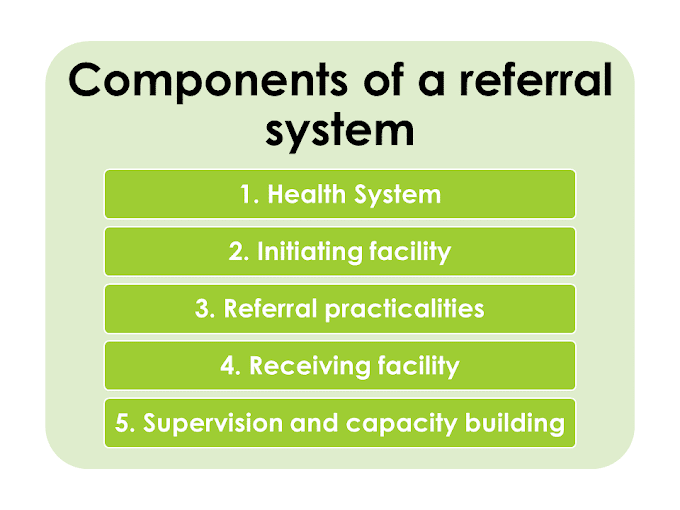
C. Strengthening of referral system
Different states have proposed different modes of referral linkage in RCH Phase-II.
D. New initiatives
- Training of MBBS doctors in life saving anesthetic skills for emergency obstetric care. Federation of Obstetric and Gynecology Society of India has prepared a training plan for 16 weeks in all obstetric management skills.
- Setting up of blood storage centres at FRUs according to government of India guidelines.



0 Comments